
Greece is a wonderful place to share with a crowd. Extended families, friends, sports clubs, school classes and company teams all find room to laugh, eat and explore together. Greece tours make that easy, because a professional guide or driver handles every difficult detail. The group arrives, stays together and enjoys each beautiful view.
This guide covers the places a large group should not miss, from island cliffs to ancient theatres and lively city squares. It explains how the excursions are organised and which comforts come with them, such as meals, drinks and swimming stops. For more inspiration, My Greece Tours shares plenty of practical planning advice.
How Do Greece Tours Show Big Groups The Islands?
Greece tours show large groups the islands by boat, by coach and on foot, with an experienced guide who keeps the day simple. Everyone visits the best spots without any stress. Many organisers compare Greece tours and Tours In Greece before they choose an island itinerary. A clear plan creates lasting memories.
Which places should groups not miss in the islands?
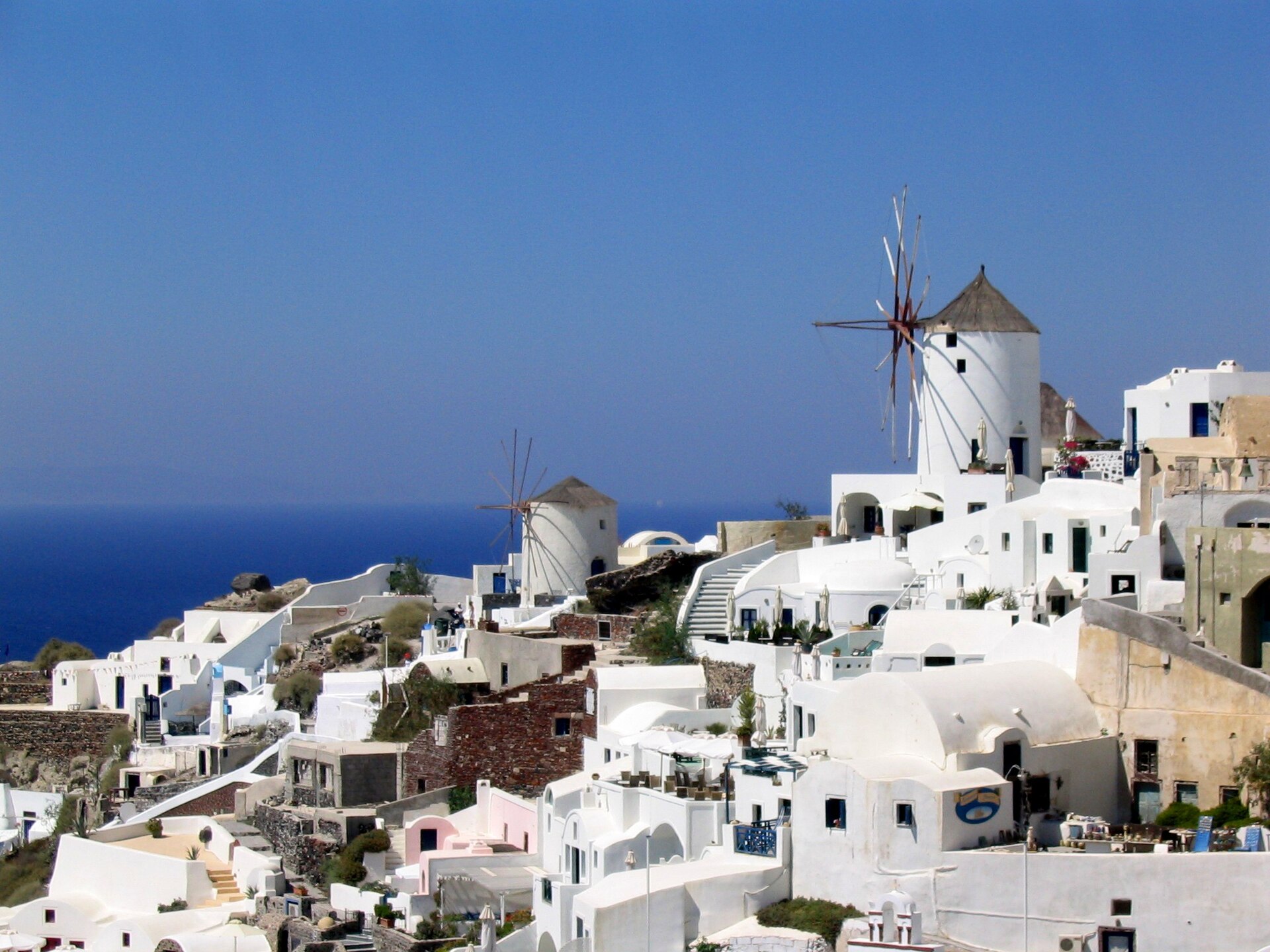
Santorini comes first for most groups. Its white villages sit on the edge of the caldera, an enormous bowl of sea left behind when an ancient volcano collapsed. Blue church domes glow against the cliffs, and the famous sunset attracts cheerful crowds. Families and friends love gathering for a big group photograph here.
Mykonos welcomes visitors with a row of white windmills on a gentle hill above the town. Below them sits Little Venice, where colourful houses lean right over the waves. A short boat ride away lies Delos, a sacred island in ancient times. Its ruins, marble lions and elegant old homes give everyone plenty to explore.
Milos is famous for its sea caves, where boats glide into hidden coves with brilliant water. Naxos offers the Portara, a giant marble doorway from an unfinished temple that frames the evening sky. On Paros, the fishing harbour of Naoussa combines colourful boats, seafood tavernas and a relaxed atmosphere that suits every generation.
How are Greece tours in the islands set up for groups?
Private Greece tours suit groups that want the day entirely to themselves. A driver-guide or a skipper looks after only them, and the price is set per group, not per person. That arrangement works well for extended families, company teams and friends who prefer their own pace. It also allows spontaneous photo stops.
Boat cruises with swim stops delight almost everyone, from grandparents relaxing on deck to teenagers diving off the side. Groups staying in the capital can join full-day trips from Athens by coach, so nobody has to organise transfers. Planners can read more about Greece island tours from Athens before they make a decision.
Snorkel and beginner scuba trips suit the energetic members of a group, with an instructor nearby at every step. Cooking classes and wine tastings suit the calmer travellers, or a whole company team that wants to bond. Everyone learns a traditional recipe, then sits down to share the delicious food they prepared.
Which comforts come with Greece tours in the islands?
Many island Greece tours include lunch or a BBQ meal on board or at a beach tavern. That matters enormously for a large group, since finding one table for everyone in high season is difficult. Drinks come with the meal, and on some boat trips they are unlimited all day. Nobody goes hungry.
A licensed or local guide adds stories and humour that bring each village and ruin to life. Guides also count heads, find shade and solve small problems before they grow. On boat days, the crew provides clean snorkel equipment. That means nobody has to carry heavy masks or fins all the way from home.
Swim stops let everyone cool off in clear, calm water between the busier sights. Free time to explore gives smaller circles of friends a chance to wander, shop or simply relax. Wine tastings complete many excursions. They give the adults a slow, happy break and help cousins who rarely meet catch up properly.
What helps big groups enjoy the islands?
Early starts beat the heat and the crowds. Groups do well to book morning boats and save the sunset spots for the evening. Leaders should announce a meeting point at each stop before everyone scatters. A shared group chat also helps, because a quick message reaches every single traveller at once.
Light bags should hold sunscreen, hats, swimwear, a towel and a refillable water bottle. Seasickness tablets help on windy days at sea. Comfortable sandals with grip work best on boat decks and steep village steps. Groups with children or elderly relatives should request seats in the shade before the boat departs.


How Do Greece Tours Show Big Groups Ancient Greece?
Greece tours show large groups ancient Greece through guided visits to temples, theatres and historic royal cities. A knowledgeable guide turns piles of stone into living stories. Coach trips link the different sites without any fuss. Groups learn about gods, heroes and kings without needing to read every information sign along the way.
Which places should groups not miss in ancient Greece?
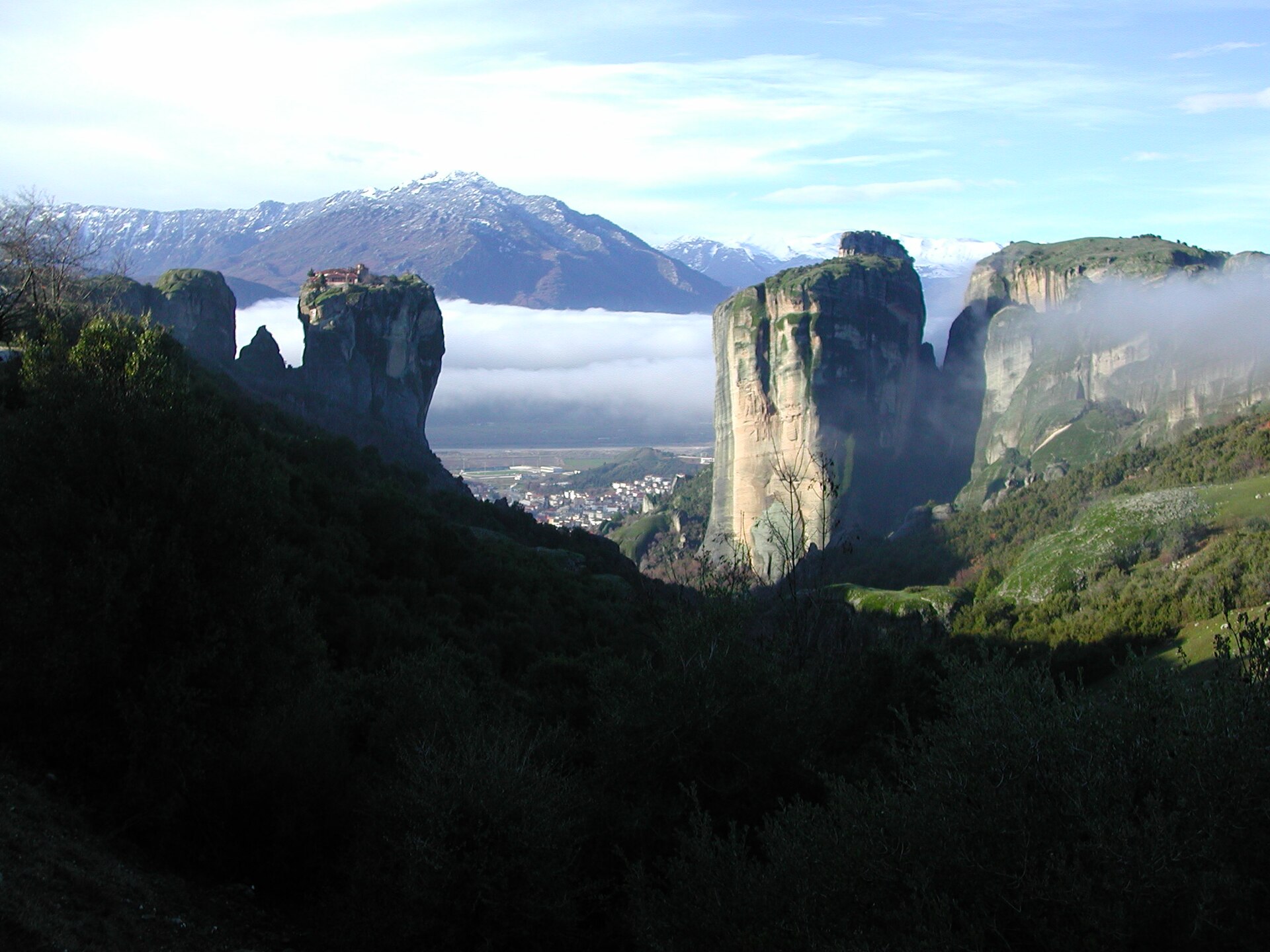
Delphi sits high on a mountain slope, and the ancient Greeks called it the centre of the world. Visitors once came to its sanctuary, a holy place, to ask a priestess about the future. Further north, the monasteries of Meteora, homes for monks, balance on huge rock pillars and leave whole coachloads speechless.
Mycenae was the home of powerful kings in Greek legend. Groups enter through the Lion Gate, where carved stone lions still guard the entrance. Nearby, the theatre of Epidaurus is famous for its perfect sound. A coin dropped on stage can be heard from the highest seats. Families love testing it with a whisper.
The old town of Nafplio makes an attractive base, with a seaside castle, narrow lanes and ice cream shops. Ancient Olympia is the birthplace of the Olympic Games, and teenagers enjoy racing on the original stadium track. Coaches often stop at the Corinth Canal, a deep cut through rock with a strip of sea below.
How are Greece tours in ancient Greece set up for groups?
Full-day trips from Athens by coach are the most popular way to reach Delphi, Mycenae or Epidaurus. They suit large groups well, since everyone travels together and the driver handles roads and parking. Small-group Greece tours suit friends who separate from the main party and want a quieter conversation with the guide.
Guided walking tours work best inside the sites, where the paths are uneven and the stories are countless. Some groups prefer simple entry tickets so they can explore at their own pace, which suits curious readers and history lovers. A practical guide to ancient Greek ruins helps them plan the best route.
Multi-day tours with hotel nights connect several famous sites in one smooth, unhurried loop. They suit schools, clubs and older relatives who prefer fewer early alarms and less time travelling on the road each day. Luggage travels on the coach, so the group simply checks in, enjoys a long dinner and rests properly.
Which comforts come with Greece tours in ancient Greece?
The biggest comfort on these Greece tours is a licensed guide. Only state-licensed guides may lead groups inside archaeological sites and museums. They know which paths have shade and which story will make a bored teenager look up from a phone. Local guides on the coach fill the journey with village legends.
Entry tickets come ready in the guide’s hands, so nobody waits in a long queue under the sun. For a large group, that saves real time, keeps spirits high and prevents tired tempers. The guide distributes tickets at the gate, then gathers everyone in a shady spot to begin the visit together.
On multi-day trips, hotel nights are part of the package, with rooms booked close to each other. Families can stay on the same corridor, and teachers can easily supervise their students at night. The coach waits outside each morning, so every day begins calmly without anyone searching for taxis or directions.
What helps big groups enjoy ancient Greece?
Ancient sites offer little shade, so the best visits start early in the morning. Groups do well to tackle the hardest climb first, while legs are fresh and the air is cool. The leader can wear a colourful scarf or cap. That makes it easy for everyone to follow the same person.
Sturdy shoes matter more than fashion, since ancient stone paths are uneven and slippery. Each person should carry water, a hat, sunscreen and a light snack for the coach. Older relatives can relax at the site café while others climb. Everyone then reunites at an agreed time and familiar meeting place.
How Do Greece Tours Show Big Groups The Capital?
Greece tours show large groups the capital through guided walks past famous ruins, lively squares and hilltop viewpoints. Regular food breaks keep everyone cheerful along the way. Athens packs a lot into a compact centre. A sensible plan lets the group see the highlights and still have energy for a long dinner.
Which places should groups not miss in the capital?
The Acropolis rises above the city as its star attraction. On its flat rock stands the Parthenon, a magnificent marble temple to the goddess Athena. Beside it is the Erechtheion, famous for a porch supported by statues of young women. The modern Acropolis Museum below protects many original carvings indoors, away from pollution and weather.
Next come the old lanes of Plaka, full of flower pots, cats and family tavernas. They lead to Monastiraki square, a busy spot with a flea market, street food and a view up to the Acropolis. Close by lies the Ancient Agora, the old marketplace where citizens met to trade, gossip and debate ideas.
For a sunset view across the entire city, groups ride the funicular up Lycabettus Hill. A funicular is a small railway that climbs a steep slope on a cable. Many Greece tours also follow the beautiful coastal road to Cape Sounion. There, the Temple of Poseidon crowns a cliff above the sea.
How are Greece tours in the capital set up for groups?
Guided walking tours are the classic way to discover central Athens, since the main sights sit close together. They suit most groups, while elderly relatives often prefer a private tour with a driver-guide. That option is priced per group. The vehicle waits near each site, which saves tired legs and precious energy.
From the capital, Greece tours by sea operate as boat cruises with swim stops to nearby islands and bays. A private skipper suits company teams who want the boat exclusively for their colleagues. Friends and families often choose shared cruises, which offer a lively atmosphere and plenty of room on deck for everyone.
Cooking classes and wine tastings complete a city stay and work well on a free evening. They suit mixed groups because nobody needs special skills, only a healthy appetite and a sense of fun. To organise a short stay, planners can use this Athens itinerary for first-timers as a starting point.
Which comforts come with Greece tours in the capital?
City Greece tours come with a licensed guide who knows every shortcut through the crowds. That matters enormously with a large party, because the guide keeps everyone moving and still answers every question. A local guide also recommends the best bakeries and the cleanest public toilets, which every group leader appreciates.
Boat days from Athens usually include lunch or a BBQ meal, prepared fresh on board or at a seaside stop. Drinks are included too, and some cruises serve them without limit all afternoon. Swim stops in calm bays give hot, tired walkers a welcome escape from the city. Everyone returns refreshed for the journey back.
Wine tastings in the city or at nearby vineyards give the adults a calm and delicious treat. A host explains local grapes in simple language, and the group shares cheese, olives and bread. For company teams, a tasting offers an easy, friendly way to celebrate the end of a busy work trip.
What helps big groups enjoy the capital?
Athens gets very hot in summer. Groups should visit the Acropolis at opening time or late in the afternoon. Midday is best spent in the cool Acropolis Museum or at a relaxed lunch. Leaders who divide a big party into colour-coded teams find it easier to count heads at each stop.
Paths around the Acropolis are polished smooth and slippery, so shoes with good grip are essential. Each person should carry water, a hat, a small bag and a charged phone with the hotel address saved. Families with young children do well to bring a light stroller for the flatter parts of Plaka.


How Do Greece Tours Show Big Groups Crete, Rhodes And Zakynthos?
Greece tours show large groups Crete, Rhodes and Zakynthos through a mix of palace ruins, medieval towns and boat trips to famous beaches. These big islands have plenty of room for every taste and energy level. History enthusiasts, beach lovers and food fans in the same group all leave with a favourite day.
Which places should groups not miss in Crete, Rhodes and Zakynthos?
On Crete, the Minoan palace of Knossos shows how an early island civilisation lived in great style long ago. Legend places the maze of the Minotaur, a fearsome half-bull monster, right here. In the west, the Venetian harbour of Chania, built when Venice ruled the island, curves gently around an old lighthouse.
The lagoon of Balos glows with turquoise water and soft white sand, and boats reach it easily. On Rhodes, the Acropolis of Lindos stands on a rock above a white village and a deep blue bay. The medieval Old Town of Rhodes, surrounded by thick walls, was once home to knights in shining armour.
Groups who add Corfu discover an old town of pastel houses, arched walkways and mighty fortresses by the sea. On Zakynthos, the shipwreck beach of Navagio ranks among the most photographed places in Greece. A rusty ship lies on pale sand inside a cove of towering limestone cliffs, reachable only by boat.
How are Greece tours in Crete, Rhodes and Zakynthos set up for groups?
Private Greece tours with a driver-guide suit families who want to visit Knossos, Lindos or Corfu at their own speed. On the water, a private skipper takes a group to quiet coves the bigger boats ignore. Both options are priced per group, which keeps costs reasonable when many people share the bill.
Boat cruises with swim stops are the easiest way to reach Balos and Navagio, and they please beach lovers of every age. Guided walking tours suit history enthusiasts in the old towns of Rhodes, Chania and Corfu. Groups who like to wander can buy entry tickets and explore independently at their own pace.
Cooking classes and wine tastings suit the food lovers, and Crete is famous for olive oil and simple, healthy dishes. Full-day trips from Athens by coach work well before or after the island stay. They suit groups who want another mainland excursion. Planners can learn more about Zakynthos before they book.
Which comforts come with Greece tours in Crete, Rhodes and Zakynthos?
Greece tours on these big islands often include lunch or a BBQ meal, served on deck or at a farm tavern. For a large group, a set meal ends the daily debate about where to eat. Drinks are part of the package, and on some cruises they are unlimited from start to finish.
A licensed or local guide brings Knossos and the Rhodes Old Town to life. The tales of kings, knights and pirates keep even teenagers listening. Entry tickets are often included, so the group walks straight past the ticket queue. That saves valuable time and keeps small children from getting restless in the heat.
Swim stops at clear, quiet coves turn an ordinary boat day into a mini holiday. Wine tastings at village wineries, especially on Crete, give adults a relaxing way to sample local flavours. Every person gets a share of what they enjoy most. That balance keeps the whole party in good spirits.
What helps big groups enjoy Crete, Rhodes and Zakynthos?
These islands are large, so groups do best with a base in one town and day trips from there. Boats to Balos and Navagio fill early in high season. Booking ahead keeps the whole party on the same deck. A quick head count before each departure prevents a great deal of stress.
Reef-safe sunscreen, hats, water shoes and a waterproof bag for phones make boat days easier. Rough seas can cancel boat trips, so a spare beach day in the schedule keeps spirits up. In Rhodes and Chania, cobbled lanes call for flat shoes, and a light jacket helps when the evening breeze arrives.
Conclusion: Greece Tours For Large Groups, Planned Well
Greece offers large groups island beauty, ancient wonders and a lively capital. Its big islands add beaches and history too. The best Greece tours handle the difficult parts, from transport and tickets to meals and swim stops. That leaves the whole group free to talk, laugh and create lasting memories together.
Good planning starts with the calendar. Checking the best time to visit Greece helps a group avoid the hottest weeks and the busiest crowds. After that, booking Greece tours early and packing light create a trip that everyone will remember. A balance of private and shared days keeps both costs and moods comfortable.
Frequently Asked Questions About Greece Tours For Large Groups
What Greece tours should a large group book first?
The Greece tours with the fewest places should come first, such as private boats, island cruises in high season and guided Acropolis visits. Popular sunset trips also sell out very quickly. Once those important days are fixed, the rest of the itinerary, from free time to cooking classes, fits around them.
How much notice do Greece tours need for big groups?
Big groups should book several months ahead for summer travel, and even earlier for private boats or hotel nights on multi-day trips. Spring and autumn give a little more flexibility. Late booking works fine for small extras like a wine tasting, but never for the main days of the holiday.
Are Greece tours with lunch worth it for groups?
Yes, Greece tours with lunch are worth it, because feeding a big group in a busy village is slow and stressful. A set lunch or BBQ meal means one table, one bill and no long debates over the menu. It also gives everyone a calm break to rest, chat and swap photographs.
Can groups mix private and shared Greece tours?
Yes, and many groups book a private guide or boat for the days when the whole party travels together. Smaller circles then join shared tours for cooking classes, wine tastings or snorkelling on the quieter days. This combination keeps costs sensible and lets every person follow their own favourite interests.
Do Greece tours run in bad weather?
Most land tours operate in light rain, since ancient sites and museums stay open. Boat trips are different, and captains cancel them when the wind is too strong for safe sailing. Reliable Greece tours offer a new date or a refund, so groups should keep a spare day in the plan.
Which month gives groups the best Greece tours?
May, early June and September give groups the best Greece tours. The sea is warm enough for swim stops, the sights are calmer and the temperature stays comfortable for walking tours. Midsummer suits beach holidays, but ancient sites feel much harder under the strong afternoon sun, especially for older relatives.
What should a group check before booking Greece tours?
Before booking Greece tours, a group should check what the price includes, how cancellations work and whether the pace suits everyone. These details decide whether the day runs smoothly or ends in a long argument on the pavement. A complete guide for group organisers covers the paperwork in greater depth.
What should the booking terms include?
Clear terms for Greece tours list every item the group is paying for, from entry tickets to transport and meals. Planners should look for the exact meeting point, the drop-off point and any extra charges for bags or gear. Vague wording often leads to surprise costs later.
Cancellation rules matter far more for big parties than for couples. If a few members drop out, the group needs to know whether the price per person rises or stays the same. Flexible Greece tours explain this clearly, in writing, before anyone pays a deposit.
Access details deserve the same care. The terms should say if paths are steep, if boats are easy to board and if coaches carry folding wheelchairs. Honest Greece tours share these facts openly whenever a planner asks.
Every group should also compare tour styles before making a final choice. A useful guide to choosing the right Greek tour explains how guided, escorted and self-guided trips differ. Reading it early saves the planner a lot of back-and-forth messages with the group.
How can organisers learn what the whole group needs?
A short online survey is the easiest way to learn what everyone needs before any money changes hands. Good questions cover the basics that shape each day:
- Foods that people cannot eat.
- How far each person can walk.
- Who can swim on boat days.
- The places each person must see.
- How much each person wants to spend on extras.
The answers help planners pick Greece tours that suit most people without leaving anyone out. Sharing a short summary of the results also shows each member that their voice counts. People who feel heard complain less and join in more.
Groups heading to churches, monasteries or village feasts on Greece tours should also talk about local customs before they leave. A short read on cultural etiquette in Greece explains dress codes, greetings and table manners. Well-prepared guests feel more at ease and make a warmer impression on their hosts.



How do Greece tours handle large group sizes?
Greece tours handle large group sizes by splitting the party into smaller teams, each with a licensed guide. Radio headsets help everyone hear clearly. Coaches and boats are also matched to the group’s numbers, which keeps busy sightseeing days calm and on schedule.
Why do big groups split into smaller teams?
Popular sites such as the Acropolis get very busy, and a huge crowd around one guide blocks the paths for other visitors. Splitting into teams lets each guide speak to fewer people and answer more questions. The teams then meet again for lunch or the coach ride home.
Only state-licensed guides may lead groups inside Greek archaeological sites and museums. Well-run Greece tours book enough licensed guides for every team, not just one leader for the whole crowd. The rule protects the ruins and gives visitors true stories.
Radio headsets, often called whisper sets, are common on larger Greece tours. The guide speaks softly into a small mic, and each listener hears through an earpiece. Nobody has to push to the front, and older relatives at the back miss nothing.
Some groups prefer fixed teams for the whole holiday, such as work teams or branches of a big family. Each team then books small-group and private experiences that match its own tastes. Everyone meets up in the evening to swap stories over dinner.
How does transport work for a large party?
Large parties usually travel by full-size coach, which keeps everyone together and carries bags with ease. On narrow island roads, minibuses work better, so some Greece tours use a few small vans instead. Each van gets a team leader with a printed list of names.
Ferries add another layer of planning for big groups on Greece tours. Leaders should agree on one meeting spot on deck before boarding and count heads again when the ship docks. Boarding moves faster when one person holds every ticket in a single folder.
Safety matters more as the group grows on busy Greece tours. Leaders should share a contact for urgent help, carry a basic first-aid kit and know the local emergency number. Helpful safety tips for Greece cover pickpockets, heat and road crossings in plain words.
How do groups mix ages on Greece tours?
Groups mix ages on Greece tours by sharing the main sights, then adding lively extras for teens and gentle choices for grandparents. Everyone meets again for meals and evening walks. This balance lets young and old travel together without anyone feeling bored or worn out.
What keeps children and teenagers interested?
Children enjoy Greece tours with movement, stories and hands-on fun. Treasure hunts at old sites, myths told like bedtime tales and boat days with swimming hold their attention far better than long talks. Guides who ask questions can turn a ruined temple into a game.
Teens want freedom and something worth sharing online. Snorkelling, kayak trips, cooking classes and sunset views give them both. Many family Greece tours build in free time, so teens can explore a village with cousins while adults relax nearby.
Simple rules keep children safe in busy places on Greece tours. Each child can carry a card with the leader’s phone number, and bright hats make them easy to spot in a crowd. Older cousins enjoy acting as team captains for the younger ones.
Parents can find more family-friendly Greece travel tips on meal times, naps and beach safety. Planning snacks and shade breaks ahead keeps young travellers cheerful. A happy child often decides whether the whole group enjoys the afternoon.
How do Greece tours look after older relatives?
Older relatives need a gentler pace, shaded rest stops and shorter walks. Good Greece tours plan routes with benches, toilets and cafés along the way. Guides also choose the easiest entrance when a site offers a choice.
A private option suits families with grandparents who tire quickly. A guide on personalised private travel explains how the driver waits nearby and adjusts the plan on the spot. Grandparents can then rest in the cool car between sights.
Health needs deserve a look too. Planners should note medicines, food limits and anyone who struggles in the heat before the trip. Guides who know this ahead of time can plan shade breaks and quiet tables without fuss.
Mixed-age Greece tours work best when every day has a shared high point. A sunset dinner, a boat swim or a famous ruin brings everyone together. Smaller activities around that moment can then follow each person’s energy level.
How do groups get real value from Greece tours?
Groups get real value from Greece tours by sharing private services and travelling outside the busiest weeks. Good value also means the price covers guides and tickets. Smart choices also protect the beaches, villages and ruins the group came all this way to see.
Where can groups save money without losing quality?
Private Greece tours with a guide or boat are priced per group, so the cost per person falls as more friends join. For a big party, a private day becomes surprisingly good value compared with shared seats. The group also gains full control of the timing.
Shared meals at family tavernas cost far less than hotel restaurants and taste more local. Many Greece tours also offer better terms for groups that pay one combined deposit. Simple budget tips for Greece visitors show where else to cut costs.
Value on Greece tours also comes from what the price includes. A slightly pricier tour with tickets, transport and a licensed guide often beats a cheap one that charges for each extra. Planners should compare the full cost per person, not just the headline figure.
Company groups can add even more value by mixing work and play. A morning meeting followed by an afternoon boat trip or wine tasting turns a work trip into a reward. Teams go home closer and full of fresh energy.
How can groups travel responsibly and still have fun?
Big groups leave a big footprint, so small choices matter. Refillable bottles, reef-safe sunscreen and staying on marked paths protect fragile beaches and ruins. A guide to sustainable travel in Greece lists more easy habits for groups.
Where the group sleeps between Greece tours matters too. Family-run hotels and eco-friendly places to stay keep money in local communities and often serve home-grown food. Larger properties of this kind can host a whole group under one roof.
Light bags make every transfer on Greece tours faster and greener. Smart advice on packing light for island tours helps each person fit everything into one small bag. Coaches load quicker, ferries feel less crowded and nobody struggles up hotel stairs.
Responsible Greece tours also help local people directly. Groups can buy crafts from village makers, eat at family tavernas and hire local guides. These habits make each visit mean more for hosts and guests alike.


Which Greece tours fit a weekend?
A weekend suits Greece tours based in Athens. Groups spend one day at the Acropolis and the old town, then take a day trip to the coast or an island. Short transfers matter most on a weekend, so the whole group sleeps in one hotel and keeps the same base.
How does a group spend a weekend in Athens?
Groups arriving for weekend Greece tours on a Friday evening should keep the first night simple. A welcome dinner near the hotel lets everyone meet, rest and get ready for an early start. A light first night saves energy for the busy days ahead.
Weekend Greece tours usually begin at the Acropolis, where a licensed guide leads the group past the Parthenon and explains its story. After lunch in Plaka, the group can visit the Acropolis Museum or rest before dinner. Evening rooftop bars give everyone a view of the lit-up temple.
Weekend Greece tours work best with a clear plan shared before arrival. Big groups lose precious time deciding where to go, so a simple timetable in the group chat keeps the pace steady. Central hotels cut travel time between sights.
On weekend Greece tours, company teams often add a dinner with live music or a cooking class on the Saturday evening. Friends and family groups prefer a food walk through the central market and the old streets. Both options turn a short city break into a shared memory.
Which day trips suit the second day?
Cape Sounion is the easiest coastal trip, with a seaside drive and the Temple of Poseidon at sunset. A cruise to nearby islands such as Aegina, Hydra and Poros packs several stops into a single relaxed day. Both choices return to Athens in time for dinner.
History lovers can choose Greece tours to Delphi instead, which makes for a long but rewarding coach day. The mountain views and the ancient sanctuary impress even the teenagers. Planners can browse more day trip ideas from Athens to match the group’s interests.
Weekend Greece tours should avoid flights or long ferry rides, since travel eats into precious time. A group that tries to squeeze in a distant island often spends more time in transit than on the beach. Keeping the plan close to Athens keeps everyone fresh.
Which Greece tours fit five days?
Five days suit Greece tours that pair Athens with one more region. Groups choose a loop through the Peloponnese or a stay on one island. Each choice adds real variety without rushing, so the whole group returns home rested and happy.
How does a five-day mainland loop work?
Mainland Greece tours of five days start with two days in Athens, then head into the Peloponnese, the large peninsula south-west of the capital. The coach stops at the Corinth Canal before reaching Mycenae, the city of legendary kings. That night, the group sleeps in the pretty seaside town of Nafplio.
The next day visits the ancient theatre of Epidaurus, famous for its clear sound, or continues to Olympia. The final day returns to Athens with time for shopping and a farewell dinner. These Greece tours suit clubs and school groups who love history and comfortable hotels.
A mainland loop also avoids ferries, which helps groups with older relatives or anyone prone to seasickness. The coach carries all the luggage, and the guide handles hotel check-ins. Everyone simply enjoys the scenery through the window.
These five-day Greece tours also suit company retreats, since Nafplio has elegant seaside hotels and quiet squares for team talks. Teams can work in the morning and explore ruins in the afternoon. The mix feels productive and rewarding at the same time.
Can five days include an island?
Yes, five days leave room for Athens plus one island, as long as the group picks a well-connected one. Santorini, Mykonos, Paros and Naxos all have regular ferries, and several also have airports. A short guide to Greek islands for first-timers helps groups choose.
Groups should spend two nights in Athens and three on the island, so the travel day falls in the middle. Learning how to travel between Greek islands and the mainland shows whether a ferry or a short flight suits the group better. Ferries keep big groups together and handle luggage easily.
Booking ahead is essential, because summer ferries fill quickly and large groups need many tickets on the same sailing. Practical ferry booking tips explain how to compare routes and seat classes. Island Greece tours of this length suit friends and families who want sea, sun and a big city.


Which Greece tours fit one week?
One week fits Greece tours that combine Athens with two islands, or a classic mainland circuit through Delphi, Meteora and the Peloponnese. Both routes balance famous sights with free time. Groups that want beaches choose the islands, while history fans prefer the mainland.
What does a classic island week look like?
Classic island Greece tours start in Athens, then move on to Mykonos and Santorini by ferry. Each island gets a few nights, leaving time for a boat trip, a beach day and a sunset dinner. A detailed plan for a week in Athens, Santorini and Mykonos shows how the days fit together.
This style of travel is known as Greek island hopping, and it suits groups of friends and active families. Everyone packs light, moves together and enjoys a new harbour every few days. The variety keeps energy high from start to finish.
Island Greece tours of one week need smooth ferry days. Groups should arrive at the port early, keep snacks handy and choose seats inside on windy days. Simple tips for ferry travel cover boarding, luggage and seasickness in plain words.
What does a mainland week offer?
Mainland Greece tours of one week suit groups who love history and dramatic scenery. After Athens, the coach heads to Delphi, then north to Meteora, where monasteries sit on top of tall rock pillars. The route then curves south into the Peloponnese for Olympia, Mycenae and Nafplio.
These Greece tours suit school groups, clubs and older travellers, because hotel nights are booked in advance and the coach carries every bag. Guides bring the myths to life at each stop. Evenings are free for village dinners and slow walks.
Mainland Greece tours are often kinder to budgets than island weeks in high season. Hotels in mountain towns and small coastal resorts often cost less, and one coach is cheaper than repeated ferries. The savings can pay for a special group dinner.
Groups who cannot choose between beaches and ruins can mix both on Greece tours of one week. One balanced plan spends most of the week on the mainland, then finishes with a few beach days on an island. That balance pleases nearly every member of a mixed group.
Which Greece tours fit two weeks?
Two weeks fit Greece tours that link the mainland highlights with several islands, including a large one such as Crete. The longer stay allows rest days and slower travel. Groups see far more of the country without feeling rushed or worn out.
How do groups split two weeks between mainland and islands?
A common plan for two-week Greece tours spends the first week on the mainland and the second week on the islands. The group starts in Athens and travels through Delphi, Meteora and the Peloponnese before flying or sailing to the islands. The trip ends with relaxed days on Crete or Rhodes.
Long Greece tours often come as escorted trips, where one tour manager stays with the group from start to finish. Advice on choosing an escorted tour itinerary helps planners compare routes and pace. This format suits big groups who want every detail handled.
Two weeks also leave room for rest days, which matter more for big groups than for small ones. A free day by the pool or the sea lets tired members recharge while others explore. Nobody feels pushed to join every single outing.
Families with young children on long Greece tours should base themselves in fewer places. Staying several nights in each hotel means less packing and more pool time. Children settle better when they know where they will sleep.
How do groups travel overland on a long trip?
Long Greece tours can include a train ride for variety. The mountain railway through the Vouraikos Gorge in the Peloponnese is a favourite, climbing beside cliffs and a rushing river. A guide to scenic train rides in Greece lists other routes groups enjoy.
Road trips also shine on longer Greece tours. Coaches or minibuses can follow the coast of the Mani or the mountain villages of Pelion, stopping for photos and village lunches. Ideas for scenic drives on the mainland help planners choose the prettiest roads.
Some groups prefer to plan part of the trip themselves and book only key days with a guide. Clear advice on self-guided itinerary planning shows how to mix guided sites with free days. This approach suits experienced travellers and keeps costs flexible.
Overland legs also give the group time to talk. Long drives through olive groves and mountain passes often become favourite memories. Songs, snacks and stories pass along the coach from front to back.
Which places belong on Greece tours for large groups?
Greece tours for large groups belong in places with space, easy transport and famous sights. The Cyclades, the classic mainland sites and the large islands all fit well. Each area suits a different mood, so many Greece tours combine two of them in one longer trip.
Cyclades
The Cyclades are a ring of islands in the middle of the Aegean Sea, and they shape many island Greece tours. Ferries link them often in summer, so groups can hop between harbours with ease. Each island has its own personality, from lively beach bars to sleepy white villages.
- Santorini: cliff-top white villages above a flooded volcanic crater.
- Mykonos: windmills, Little Venice and lively beaches for friends.
- Naxos: the giant marble Portara doorway and wide sandy beaches.
- Paros: the colourful fishing harbour of Naoussa and relaxed village life.
- Milos: sea caves, bright volcanic rocks and the moon-like shore of Sarakiniko.
Mainland
The mainland holds the great names of ancient Greece, and coaches reach them on good, modern roads. Mainland Greece tours suit history lovers, school groups and anyone who prefers solid ground to boat decks. Hotels in these areas host large parties easily and serve generous family-style meals.
- Athens: the Acropolis, the Parthenon and lively old lanes like Plaka.
- Delphi: the mountain sanctuary where ancient Greeks asked a priestess about the future.
- Meteora: monasteries perched high on towering grey rock pillars.
- Olympia: the birthplace of the Olympic Games and its ancient stadium.
- Epidaurus: an ancient theatre famous for its perfect natural sound.
Large islands
The large islands offer more space, more hotels and more variety than the small Cycladic ones. Greece tours here mix long beaches with palaces, castles, gorges and mountain villages. Big groups can stay in one comfortable base and still find a fresh day trip every morning.
- Crete: the palace of Knossos, the Samaria Gorge and long sandy beaches.
- Rhodes: a walled medieval old town and the clifftop Acropolis of Lindos.
- Corfu: an elegant old town with Venetian forts and green hills.
- Kefalonia: turquoise bays, Myrtos Beach and the underground Melissani cave lake.
How do groups plan Greece tours over five days?
Groups plan Greece tours over five days with two days in Athens, a day at Delphi and two island days. This order keeps travel short and easy for everyone. The trip ends by the sea, so the whole group flies home rested, tanned and happy.
Two days in Athens
The first day of these Greece tours covers the Acropolis and the streets below it. A licensed guide leads the group up early, before the heat and the crowds build. The afternoon brings lunch in Plaka and a slow walk past the Ancient Agora.
The second day suits museums, which give tired legs a cool break. The Acropolis Museum and the National Archaeological Museum hold famous statues, gold masks and everyday objects from ancient homes. A list of must-see museums in Athens helps the group pick the right ones.
Big groups on Greece tours often split up on the second afternoon. Shoppers head to Monastiraki and Ermou Street, while others ride up Lycabettus Hill for the view. Everyone meets again for a group dinner with live Greek music.
Where the group stays during Greece tours matters as well. A central hotel near Syntagma or Plaka lets everyone walk to most sights and return for a rest. That saves taxi costs and keeps the group together.
Families with young children can add a short visit to the Changing of the Guard at Syntagma Square. The soldiers in traditional uniforms and pom-pom shoes delight every age. It makes a lively, easy stop between bigger sights.
Smart planners check local events before fixing the Athens days. A guide to seasonal events to see in Greece shows when festivals, Easter celebrations and summer theatre nights take place. A live show can become the high point of the whole trip.
A day at Delphi
Delphi sits on a mountain slope north-west of Athens, and coach Greece tours reach it in a single day. The ancient Greeks believed it was the centre of the world. A priestess here, called the oracle, gave answers that kings and generals trusted.
A licensed guide leads the group through the sanctuary, past the Temple of Apollo and up to the old theatre and stadium. The site museum holds the famous bronze Charioteer statue. Groups with older relatives can stay lower down and still see the main ruins.
Delphi works best as a full day trip rather than a rushed visit. The road climbs through olive groves and mountain bends, so the views start long before arrival. Travel sickness tablets help anyone who struggles on winding roads.
Greece tours to Delphi suit school groups and clubs because the myths come alive on site. Teenagers enjoy the tales of gods, heroes and puzzling answers from the oracle. Teachers can link the visit to history lessons back home.
On the way back, many Greece tours stop in the mountain village of Arachova for lunch. Its stone houses, cosy tavernas and local cheese make a pleasant break. The coach then returns to Athens by evening, ready for an early island start.
Two days on the islands
The last two days of these Greece tours take the group to an island close to Athens or a short flight away. A fast ferry to Paros or a flight to Santorini both work well. A list of the top Greek islands to visit helps groups compare their options.
Island choice depends on the group’s style. Friends who love nightlife prefer Mykonos, families enjoy the gentle beaches of Naxos, and mixed groups love the views of Santorini. Each option fits easily into two relaxed days.
The first island day suits a group boat trip with swimming and lunch on board. Friends, families and teams all share the same deck, which builds a real holiday mood. In the evening, the group gathers for sunset at a famous viewpoint.
The final day stays light, with free time for beaches, shops and village walks. Greece tours that end this way send everyone home rested rather than rushed. A farewell lunch by the harbour closes the trip on a happy note.
Planners should book island hotels with rooms close together and a pool for evening gatherings. Return flights or ferries should leave plenty of time to reach the airport in Athens. A calm last day on Greece tours keeps every member smiling.
More questions about Greece tours for groups
Large groups often ask practical questions about Greece tours, from seating and teenagers to water, shade, tips and the right shoes for rough ground. Short, clear answers follow below.
Can big groups reserve seats together on Greece tours?
Yes, most Greece tours let big groups sit together on coaches, boats and at meals when they book early and ask clearly. Ferries and popular cruises fill fast in summer, so early requests matter most for big parties. A single booking under one name also keeps everyone in the same block.
Are Greece tours suitable for teenagers?
Yes, Greece tours suit teenagers well, especially boat trips, snorkelling, myth-filled site visits and cooking classes that keep them active and involved. Guides on Greece tours who tell stories about gods and heroes win their attention quickly. Free time with cousins or friends makes the trip feel like their own adventure.
What happens if someone in the group is late for Greece tours?
Most Greece tours wait only a short time, then leave on schedule, because other guests and timed entries depend on the plan. The late person usually has to reach the next stop alone, at their own cost. Sharing the guide’s phone number and a clear meeting point prevents most delays.
Do Greece tours provide water and shade?
Many Greece tours hand out bottled water, and boats usually have a canopy, but ancient sites offer very little shade. Each person should still carry a refillable bottle, a sun hat and plenty of sunscreen. Good guides plan short breaks under trees whenever the route allows, especially on hot afternoons.
Are tips included on Greece tours?
Tips are usually not included on Greece tours and always stay optional. Guests often leave a little extra for a guide, driver or boat crew who did well. Big groups on Greece tours can collect one shared tip at the end of the day, which keeps things simple and fair.
What footwear suits Greece tours?
Comfortable closed shoes with good grip suit most Greece tours, because ancient paths are uneven and polished marble steps turn slippery. Sandals with straps work well on boat-based Greece tours and beaches. Flip-flops and high heels lead to slips on old stone, so they should stay in the suitcase.
See more in WebIT: